
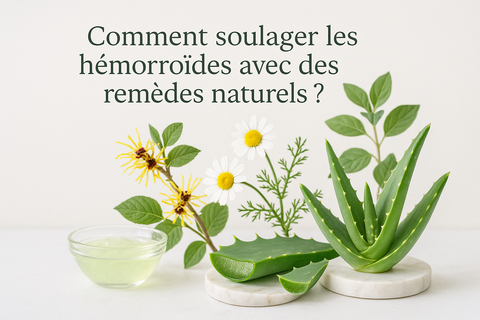
How to relieve hemorrhoids with natural remedies?
Hemorrhoids, a subject often taboo yet so common, affect a significant portion of the adult population. If you are here, it is likely because you are looking for concrete solutions to relieve this uncomfortable, and sometimes painful, condition. Rest assured, you are not alone, and there are many effective natural remedies to soothe symptoms and, above all, to act as a preventative measure.
In this article, we will explore holistic and scientifically supported approaches together to regain optimal comfort. We will address the causes and symptoms, local and oral treatments, and essential lifestyle advice. My goal is to provide you with accurate information, based on my experience as a dietitian and consultant specializing in dietary supplements, to help you better understand and manage hemorrhoid flare-ups.
Understanding hemorrhoids: causes and symptoms
To better prevent and treat them, it is fundamental to understand what hemorrhoids are. They are actually a network of arterial and venous blood vessels naturally located in the anal canal, playing a crucial role in continence. The problem arises when these vessels become excessively dilated and irritated, thus causing what we call a hemorrhoid flare-up, or hemorrhoidal disease.
There are mainly two types of hemorrhoids: external hemorrhoids, visible and palpable around the anus, and internal hemorrhoids, located higher up in the anal canal. Symptoms vary depending on their location and severity. Pain, itching, and sensations of burning and heaviness are the most frequent complaints. Bleeding of bright red blood, generally painless, may also appear after defecation, a sign of vessel inflammation.
The causes of hemorrhoids are multiple and often intertwined. Constipation is one of the predominant factors: straining during bowel movements increases pressure on the anal veins, promoting their dilation. Conversely, episodes of diarrhea can also irritate the area. Pregnancy and childbirth are high-risk periods for women due to the pressure exerted by the uterus and hormonal changes. Being overweight, a sedentary lifestyle, lifting heavy loads, a diet low in fiber, excessive consumption of alcohol, coffee, or spices, and tissue aging also contribute to their appearance or aggravation. An interesting anecdote to illustrate the importance of bowel transit: one of my clients, an active young man suffering from chronic constipation, saw his flare-ups space out considerably after incorporating psyllium and increasing his water intake, which made his stools softer and less traumatic.
Natural remedies to relieve hemorrhoids

Facing the discomfort of a flare-up, many natural remedies can provide significant relief. These approaches aim not only to soothe immediate symptoms like pain and itching, but also to act in the long term to strengthen blood circulation and prevent recurrences. It is essential to integrate them into a well-thought-out routine, always in addition to an appropriate lifestyle.
Cold to quickly relieve hemorrhoids
Applying cold is arguably one of the most immediate and effective ways to quickly relieve hemorrhoids, whether they are internal or external. Its vasoconstrictive action helps tighten dilated blood vessels, thereby reducing swelling and pain.
It’s like a dam containing a flood: cold restricts excessive blood flow in the affected area.
- Cold sitz baths: Immerse the anal area in a basin or bidet filled with cool water (about 10°C) for 10 to 20 minutes, two to three times a day. You can add a decoction of astringent plants like bistort or lesser celandine for a reinforced effect.
- Cold compresses or ice packs: Apply a compress soaked in very cold water or an ice gel pack (always wrapped in a thin cloth to avoid burns) directly to the painful area for 10 to 15 minutes. Repeat the operation several times a day, especially after having a bowel movement.
- Using an ice cube: A properly stored ice cube wrapped in a cloth can be applied gently to external hemorrhoids. For internal ones, a small piece of soaked and frozen cotton can be a solution, but with extreme caution so as not to irritate.
Cold offers a triple advantage: it reduces inflammation, relieves pain thanks to its local anesthetic effect, and decreases swelling. It is a valuable first reflex in case of an acute hemorrhoid flare-up. However, avoid excessive heat (very hot baths, saunas) which can further dilate the vessels and worsen symptoms.
Plants and their properties
Phytotherapy offers a range of solutions to act on hemorrhoids, thanks to the veinotonic, anti-inflammatory, and healing properties of certain plants. My experience as a dietitian has shown me how plant extracts can be valuable allies for lasting relief and prevention.
- Horse chestnut (Aesculus hippocastanum): This plant is a gold standard for hemorrhoids. Its seeds contain aescin and aesculin, saponosides and tannins that strengthen the tone of venous walls, reduce inflammation, and decrease edema. A study published in the Journal of Clinical Pharmacology (2022) highlighted the effectiveness of horse chestnut extract in reducing the symptoms of venous insufficiency, including hemorrhoids, due to its action on capillary permeability. It is often recommended in capsules or mother tincture.

- Red vine (Vitis vinifera): Rich in flavonoids and anthocyanosides, red vine is a powerful veinotonic and vascular protector. It improves blood circulation and capillary resistance. It is particularly indicated for heavy legs problems and hemorrhoids. You can consume it as an infusion (2 to 3 cups per day) or in dry extracts. It is one of the few plants that can be considered with medical advice during pregnancy.
- Witch hazel (Hamamelis virginiana): Thanks to its astringent tannins and flavonoids, witch hazel is effective in reducing bleeding, itching, and inflammation. It can be used as a hydrosol (one tablespoon diluted in a liter of water to drink daily over 3 weeks) or in local application via soaked compresses. Its local healing properties make it an excellent supplement.
- Butcher's broom (Ruscus aculeatus): This powerful veinotonic acts on the smooth muscles of venous walls, promoting their contraction and reducing dilation. It is recognized for its action on venous congestion of the small pelvis, often associated with hemorrhoids, especially before menstruation. Available as herbal teas or capsules.
- Ginkgo biloba: Known for its antioxidant flavonoids and proanthocyanidins, ginkgo biloba protects the vascular endothelium and thins the blood. It is particularly interesting for hemorrhoids, especially in seniors, as it also acts on microcirculation and can improve memory and concentration.
- Blackcurrant (Ribes nigrum): Blackcurrant leaves, rich in flavonoids and OPCs, are anti-inflammatory and veinotonic. They are beneficial for painful hemorrhoids and can be combined with horse chestnut or butcher's broom in dietary supplements.
- Sweet clover (Melilotus officinalis): Thanks to its flavonoids, sweet clover possesses antioxidant, veinotonic, and lymphatic drainage properties, useful in case of painful hemorrhoid flare-up linked to thrombosis.
- Aloe vera: Aloe vera gel, applied locally, offers a soothing, healing, and decongestant effect. It helps reduce inflammation and irritation. It is a valuable ally for the relief of external symptoms.
- Psyllium: Psyllium seeds, rich in mucilage, act as bulk-forming laxatives. They absorb water and increase stool volume, making them softer and easier to pass. This reduces constipation and straining, thus preventing the appearance or worsening of hemorrhoids. A study published in the World Journal of Gastroenterology (2014) demonstrated that psyllium significantly improves stool consistency and defecation frequency, thereby reducing bleeding and pain linked to hemorrhoids.
It is crucial to always consult a healthcare professional before incorporating these plants into your routine, especially if you are taking other medications or are concerned by pregnancy, chronic pathologies, or allergies.
Effective essential oils

Essential oils (EOs) represent a powerful and rapid solution to relieve pain and inflammation from hemorrhoids thanks to their anti-inflammatory, healing, and decongestant properties. However, their use must be done with caution, always diluted in a carrier vegetable oil.
Here are some essential oils that are particularly effective:
- Pistacia lentiscus essential oil: This is a must-have for circulatory disorders. It is a powerful venous and lymphatic decongestant, reducing edema and pain. Dilute 1 drop of EO in 1 drop of Calophyllum or Sesame vegetable oil and apply locally after each bowel movement and in the evening.
- Cypress essential oil (Cupressus sempervirens): An excellent veinotonic and decongestant, it is also anti-inflammatory and promotes healing. It can be combined with rock rose for bleeding. Dilute 1 drop of EO in 9 drops of Calendula vegetable oil and massage 3 times a day.
- Helichrysum italicum essential oil: Nicknamed "immortelle," it is renowned for its anti-hematoma, circulatory, and healing properties. It is valuable in cases of very swollen and painful hemorrhoids. It regulates blood circulation disorders. Dilute 1 drop in half a teaspoon of Calophyllum vegetable oil and apply locally.
- Peppermint essential oil (Mentha piperita): It provides an immediate "cold" effect and has vasoconstrictive and analgesic properties that help calm pain and itching. Be careful, it is very powerful and must be used very sparingly. Dilute 1 drop in a teaspoon of vegetable oil and apply occasionally.
- Rock rose essential oil (Cistus ladaniferus): Known for its hemostatic (anti-bleeding) and healing properties, it is useful in cases of bleeding. Dilute 2 drops in half a teaspoon of vegetable oil and apply 4 times a day, for 2 days maximum.
- Common myrtle essential oil (Myrtus communis): Studies have shown that it can improve pain, irritation, and bleeding linked to hemorrhoids. Dilute 8 drops in 10 ml of St. John's wort oil and massage. It can be combined with lemon and juniper EO.
- German chamomile essential oil (Matricaria recutita): Recommended for itching and anal irritation thanks to its anti-inflammatory and anti-allergic properties. Chamomile floral water is also a gentle option for local application.
Precautions and side effects: The use of essential oils is not recommended for pregnant or breastfeeding women, children under 6 years of age, or people suffering from respiratory allergies (asthma) or epilepsy, unless advised by a doctor. Some may interact with anticoagulants (lemon, cistus ladanifer, cineole rosemary essential oils) or be contraindicated in cases of hormone-dependent conditions (cypress, juniper, mastic, myrtle essential oils). It is imperative to perform an allergy test on the crook of the elbow 24 hours before any application. Overdose or improper dilution can cause irritation, redness, or burning sensations. Common side effects may include nausea or bloating if taken orally without expert supervision. Always ask your doctor or pharmacist for advice.
Three main benefits of essential oils for hemorrhoids:
- Fast and Targeted Pain Relief: Essential oils like peppermint or Italian helichrysum act directly on the affected area, providing an anesthetic and vasoconstrictive effect that reduces pain and burning sensations almost instantly.
- Anti-inflammatory and Healing Action: Oils like mastic or cypress promote tissue decongestion, soothe inflammation, and accelerate the repair of damaged mucous membranes, which is crucial in cases of bleeding.
- Improvement of Local Blood Circulation: Their veinotonic properties strengthen the walls of blood vessels, helping to prevent congestion and the recurrence of flare-ups. It is like repairing a faulty irrigation system so that the water (the blood) can flow smoothly.
Tips for incorporating into a routine: After gently and carefully cleaning the anal area, apply your diluted essential oil blend. For an extra anesthetic effect, keep your bottle of essential and vegetable oils in the refrigerator. Massages should be gentle. Use finger cots for application to ensure impeccable hygiene and avoid any contamination.
Other natural remedies to consider
Beyond plants and essential oils, other natural remedies and practices can contribute to the relief and prevention of hemorrhoids. These methods complement a global approach for better management of this condition.
- Apple cider vinegar: This grandmother's remedy is often cited for its astringent and anti-inflammatory properties. You can add a glass of apple cider vinegar to a cold sitz bath, or apply it locally to external hemorrhoids using a soaked cotton ball (diluted if you feel intense stinging). It is said to promote healing and stimulate blood circulation.
- Aloe vera: Applied as a pure gel, aloe vera is soothing, healing, and anti-inflammatory. It is particularly effective for calming itching and burning sensations. Choose an organic aloe vera gel without additives for maximum effectiveness.
- Green clay: As a cold poultice, superfine green clay is known for its absorbent, decongestant, and healing properties. It can help reduce inflammation and soothe pain. Mix the clay with a little water to obtain a paste and apply to the affected area for 15 to 20 minutes, then rinse.
- Probiotics: An imbalance in the intestinal flora (dysbiosis) can contribute to constipation, a major factor in hemorrhoids. Supplementation with probiotics, or the consumption of fermented foods, can help rebalance the gut microbiota, promote regular transit, and thus prevent hemorrhoidal flare-ups. It is a fundamental strategy for optimal digestive health.
- Milk thistle: This plant is renowned for its hepatoprotective properties. In naturopathy, it is often said that "the anus is the eye of the liver." An overloaded liver can lead to portal vein congestion, impacting the anal area and promoting hemorrhoids. Milk thistle supports liver function and helps prevent this venous stasis.
- Birch sap cure: In the spring, a birch sap cure can help drain the body and improve circulation, offering comprehensive support that can be beneficial for the prevention of hemorrhoids.
- Chasteberry: Less directly linked to hemorrhoids, chasteberry is sometimes mentioned for its hormonal action which can help some women suffering from hemorrhoids related to their menstrual cycle.
- Rutin: This flavonoid, found in foods like buckwheat, grapes, or unpeeled apples, strengthens the walls of blood vessels. Dietary supplements based on rutin can be an excellent way to tone veins and prevent their dilation.
The effectiveness of these natural remedies often relies on regular use and a good understanding of their interactions. A combined approach, blending several of these solutions, offers the best results for lasting relief and effective prevention of hemorrhoidal flare-ups.
Adapting your lifestyle to prevent hemorrhoidal flare-ups

The treatment of hemorrhoids is not limited to the relief of symptoms; it also, and above all, involves adapting your lifestyle. As a specialized consultant, I always insist on the importance of these fundamental changes. This is the foundation for effective and lasting prevention of hemorrhoidal flare-ups.
Diet: the key to avoiding constipation
Diet plays a capital role in the prevention of hemorrhoids, mainly by fighting against constipation. Regular intestinal transit and soft stools reduce pressure on the anal veins.
- Increase your fiber intake: Fiber is the hero of your transit. It increases stool volume and softens them, facilitating their passage. Aim for at least 25 to 30 grams of fiber per day. Prioritize fresh fruits and vegetables (broccoli, artichokes, leeks, unpeeled apples, berries), legumes (lentils, chickpeas), and whole grains (oats, brown rice, whole wheat bread). For an immediate and effective effect, blonde psyllium is a valuable ally. A tablespoon diluted in a large glass of water, followed by a second glass of pure water, can work wonders.
- Sufficient hydration: Water is essential for fiber to do its job. Drink between 1.5 and 2 liters of water per day, spread throughout the day, without waiting until you are thirsty. Herbal teas (red vine, sweet clover) can also contribute to this fluid intake while offering additional benefits.
- Avoid irritants: Certain foods and drinks can aggravate hemorrhoids. Limit the consumption of alcohol, coffee, and tea, as well as dishes that are too fatty, too salty, and especially too spicy (chili, pepper, paprika, curry). These substances can irritate digestive mucous membranes and promote vessel dilation.
- Support your liver: An overloaded liver can impact blood circulation and contribute to hemorrhoids. Integrate detoxifying foods like black radish, artichoke, broccoli, and think of hepatoprotective plants like milk thistle.
- The importance of antioxidants: Foods rich in antioxidants, particularly flavonoids (like the rutin found in buckwheat, grapes, and blackcurrant), help strengthen the walls of blood vessels. Red fruits, citrus fruits, green tea, and leafy green vegetables are excellent sources.
The importance of physical activity
A sedentary lifestyle is an aggravating factor for hemorrhoids. Regular physical activity is a fundamental pillar for improving overall blood circulation and preventing constipation.
- Move regularly: A brisk walk of 30 to 45 minutes a day, swimming, yoga, or cycling are gentle activities that stimulate intestinal transit and venous return. It's like a natural pump that helps blood flow back up and avoids venous stasis in the anal region.
- Avoid intense efforts: During a hemorrhoidal flare-up, it is best to avoid sports that overly strain the abdominal region or involve carrying heavy loads. These activities can increase intra-abdominal pressure and worsen symptoms. Weight management is also paramount, as excess weight puts extra pressure on the anal veins.
- Do not sit or stand for too long: If your job requires long periods of sitting or standing, take regular breaks to walk for a few minutes. This promotes blood circulation and reduces pressure on the anal area.
Good habits in the bathroom
Adopting good habits in the bathroom is a simple yet crucial step for the prevention and relief of hemorrhoids.
- Establish a routine: Try to go to the bathroom at a set time, ideally after a meal, to accustom your body to a regular rhythm. This helps avoid constipation and reduces the feeling of "having to hold it."
- Do not strain: Avoid pushing too hard or staying in the bathroom for too long. Prolonged effort increases pressure on the anal veins, which can trigger or worsen a hemorrhoidal flare-up. A physiological stool can help you adopt a more natural (squatting) position that facilitates bowel movements.
- Gentle anal hygiene: After each bowel movement, clean the anal area with damp toilet paper, without irritating soap, or wash with lukewarm water. Dry carefully by patting. Soothing chamomile floral water can be used for cleansing. Prefer loose-fitting cotton underwear for better ventilation and to avoid moisture.
These lifestyle tips, combined with natural remedies, are the pillars of effective treatment and prevention of hemorrhoids. They require consistency and patience, but the benefits for your comfort and digestive health are considerable.
When to see a doctor?

Although many natural remedies can provide you with relief for your hemorrhoids, it is crucial to know when a medical consultation becomes necessary. A hemorrhoidal flare-up, although generally benign, can sometimes mask more serious conditions or require specific care. Your health is our priority, and my role as a specialized consultant is also to guide you to appropriate healthcare professionals.
You should consult a doctor in the following situations:
- Significant or persistent bleeding: If you notice heavy bleeding, bright red blood in the stool, or if the bleeding does not stop after a few days, a consultation is imperative. Although often linked to hemorrhoids, anal bleeding can be a sign of other conditions, including more serious ones, especially after age 50.
- Intense and persistent pain: If the pain is very strong, disabling, or if it does not diminish despite natural treatments and lifestyle measures, it is essential to get a medical opinion. A hemorrhoidal thrombosis (formation of a blood clot) may be the cause and sometimes requires rapid intervention.
- Appearance of a bluish swelling or fever: A painful, bluish swelling around the anus, or the appearance of a fever along with hemorrhoidal symptoms, are signs that require an urgent consultation to rule out infection or complications.
- Symptoms that worsen or do not disappear: If your symptoms (pain, itching, swelling) persist beyond a few days or worsen despite your efforts, it is time to consult. The doctor will be able to provide a precise diagnosis and suggest an appropriate treatment, whether medicinal or, in some cases, surgical.
- First hemorrhoidal flare-up: If this is the first time you are suffering from hemorrhoids, a medical diagnosis is recommended to confirm that it is indeed this condition and rule out any other pathology with similar symptoms (anal fissure, prolapse, etc.).
- Hemorrhoids during pregnancy: During pregnancy, hemorrhoids are common. If the symptoms are severe, it is important to consult your doctor or midwife, as some treatments may be contraindicated. They will be able to guide you toward solutions that are safe for you and your baby.
- Chronic transit disorders: Chronic constipation or diarrhea associated with hemorrhoids should be evaluated by a healthcare professional to identify the root cause and implement long-term treatment.
A general practitioner will be able to refer you to a proctologist if necessary. Do not let embarrassment or fear prevent you from seeking advice. Early management is often the key to avoiding complications and improving your quality of life. Remember, natural remedies are a valuable form of support, but they do not replace medical advice when the situation requires it.
Marie, a dietitian and consultant specialized in dietary supplements at Pleine Forme, has fifteen years of experience dedicated to guiding her clients toward better health. Her in-depth expertise allows her to offer informed and reliable advice, particularly in the field of natural solutions for various well-being issues.


Comments (2)
Merci pour vos PRÉCIEUX CONSEILS TRÈS DÉTAILLÉS. Je vais tenter plusieurs formules et espère être libérée de ces hémorroïdes qui démangent et font mal.
Moult merci🌿🤗💞🙏 pour votre message si bien détaillé!!!
cdt
Mary